The SEETHINK Method
The intellectual architecture made visible
The SEETHINK® Method is the core intellectual instrument of SEETHINK Lab. An original framework developed by Patricia von Ah to explore what happens when you look at a photograph and think with it. The method is dedicated to gathering qualitative research for the benefit of future seers and thinkers: to process, enhance, and spark new experiences.
Rooted in three intellectual traditions: Chad Engelland’s phenomenology, where the experience of essences meets the essence of experience; Henri Bergson’s philosophy of duration, where the same image yields different things at thirty seconds, one minute, and five minutes; and material culture studies, where how a photograph was made is as significant as what it depicts.
The method approaches seeing and thinking from four theoretical pillars: Phenomenology, Time, Transparency, and Transcendental. These pillars are used contextually as places on which to stand and observe the photograph from.
Together, they provide a framework for exploring the intricate relationship between visual observation and experience, underlining the significance of integrating both analytical and intuitive approaches to ultimately enhance our capacity to see, think, and understand the multifaceted dimensions of experience.
How the Method Works
The interdisciplinary research poses questions and promotes participation, focusing on the phenomenology of the photographic image and the experience of seeing and thinking.
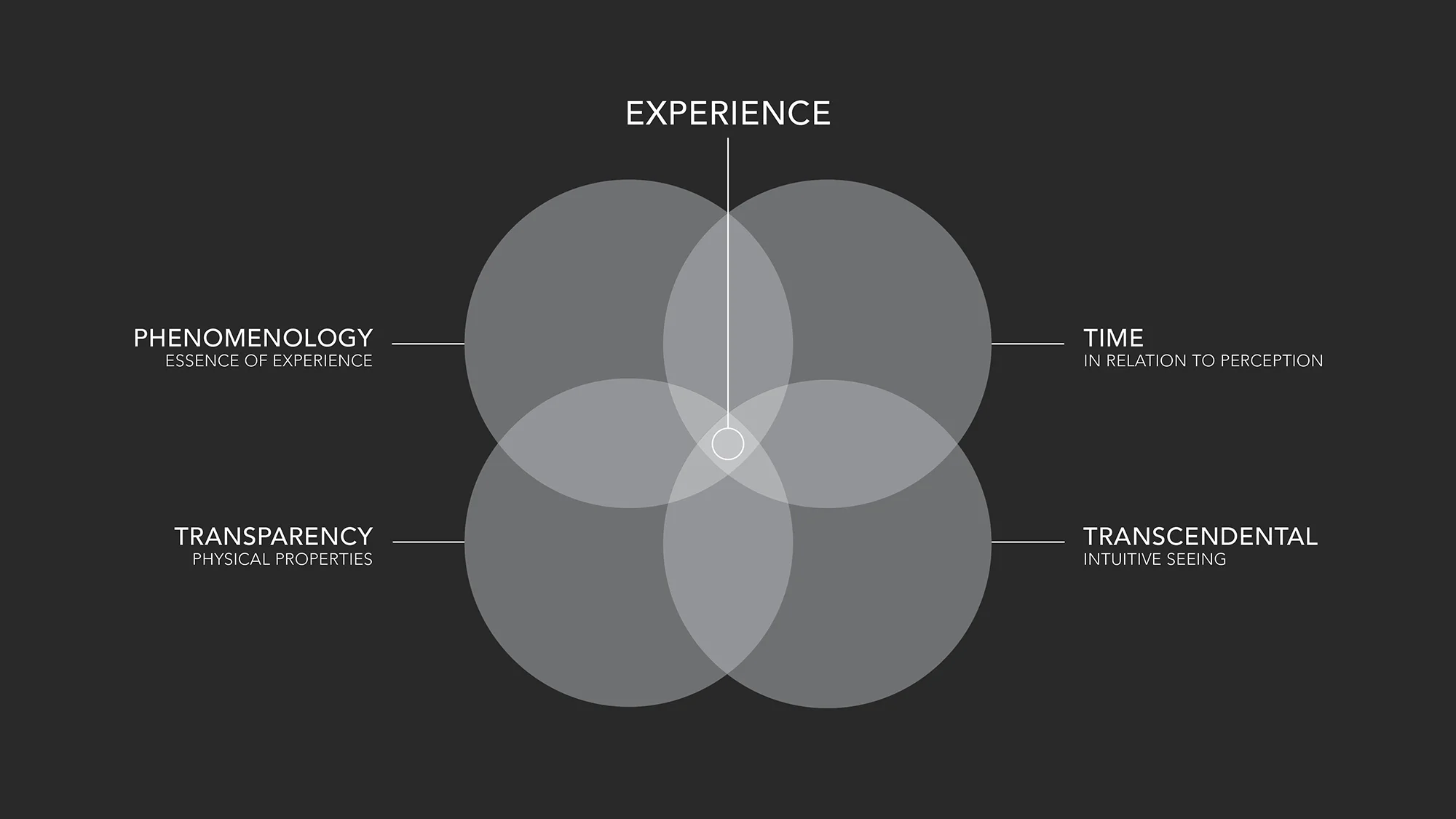
The method can be deployed in digital platforms, interactive workshops, and academic studies. It is the methodology by which the Zero Baseline of Photography is engaged with rather than simply looked at, underlining the significance of integrating both analytical and intuitive approaches.
SEETHINK Dual Mode
Two complementary modes of engagement run through every encounter.
The method is a framework for structured attention. In workshops, dividing participants by mode and asking them to exchange perspectives is consistently productive: technical context changes emotional response, and emotional response reveals what technical analysis cannot reach.
Analytical Mode
Historical, technical, compositional.
What can be observed, measured, compared.
Intuitive Mode
Emotional, imaginative, experiential.
What is felt, sensed, recognised without explanation.
Four Theoretical Pillars
These pillars are used contextually as places on which to stand and observe the photograph from.

PILLAR 1
Phenomenology - Essence of Experience
Phenomenology, in the context of this research, focuses on the essence of experience. It emphasises the immediate impact of visual perception, the fleeting moment where seeing transitions into thinking. This pillar underscores the importance of understanding the phenomenological experience as a fundamental aspect of analysing and interpreting photographic images.
Engelland: Phenomenology investigates two seemingly trivial but in fact profound topics: the experience of essences and the essence of experience.

PILLAR 2
Time - In Relation to Photography and Perception
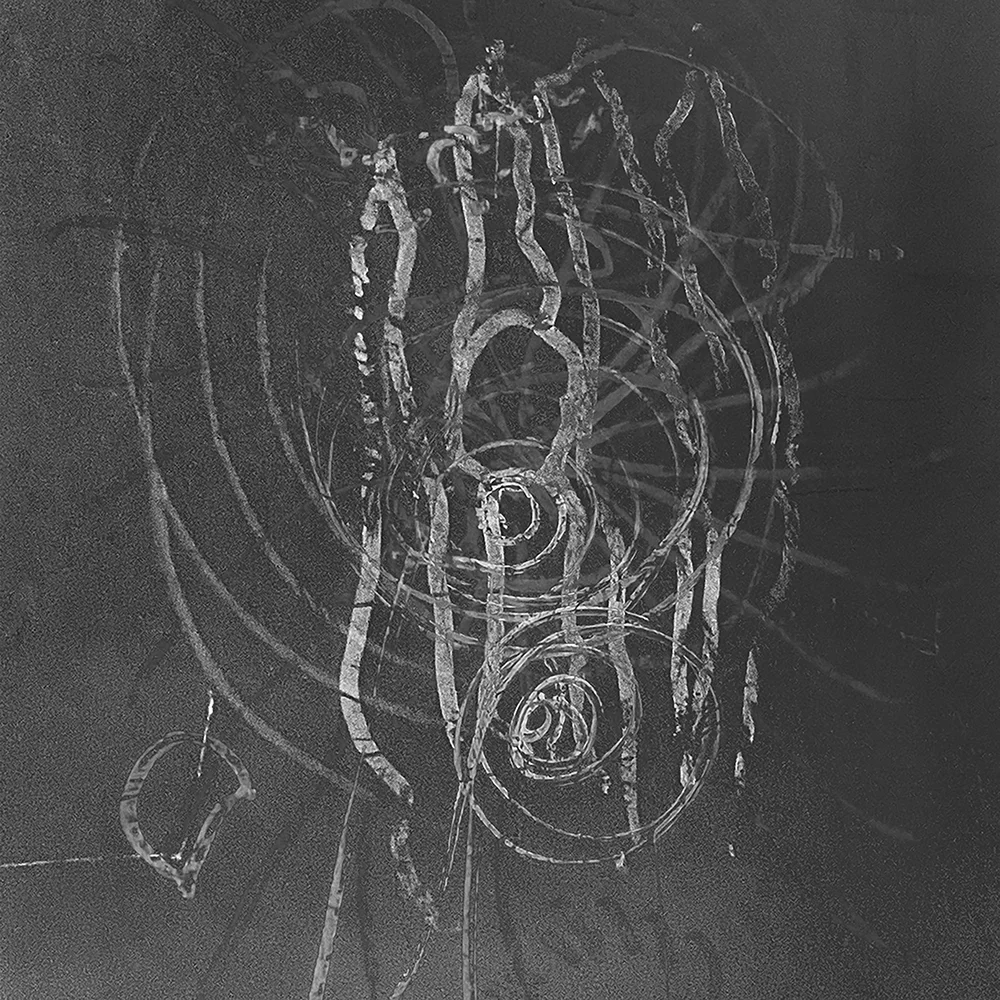
Time transcends its mechanical constraints, embodying perceptual elasticity that shapes our experience. It highlights how the initial impression of a photograph can evolve with repeated viewing. This pillar invites consideration for how time, both in its brief moments and prolonged engagement, plays a critical role in the depth of the understanding and connection to photographs.
Bergson: time is not a sequence of moments but a qualitative, lived experience.
PILLAR 3
Transparency - Physical Properties
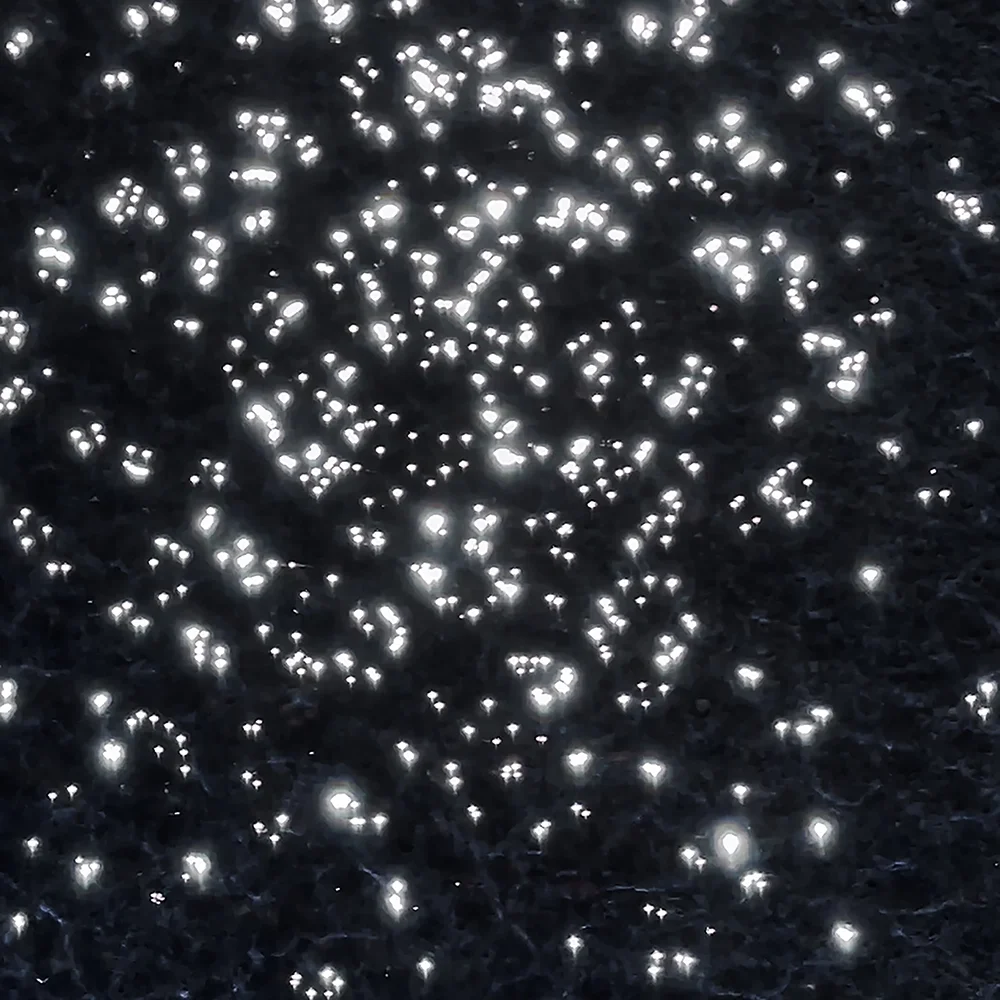
Transparency focuses on the physicality and tangible aspects of photographic analysis. It promotes an examination of the materiality of images: texture, technique, focus, and motion, offering insights into the composition and capture process. This pillar emphasises the physical attributes of photographs to unravel the layers of meaning and intention embedded within.
Material culture studies: how a photograph was made is as significant as what it depicts.
PILLAR 4
Transcendental - Intuitive Seeing
By interconnecting Phenomenology, Time, and Transparency, this pillar enables a holistic approach to photographic analysis, where intuitive insights complement analytical observations. It encourages an expansion of perception beyond the visible, pushing boundaries of understanding towards the unknown. The Transcendental pillar references intuitive seeing and the recognition of the extraordinary within the ordinary.
The Transcendental pillar is not separate from the others. It is what emerges when they are held together.
Writing
SEETHINK Journal
Long-form intellectual essays and research.
Zero Baseline Essays
First Photograph essays resident on the Zero Baseline site.