Practice
Five modules. One framework. Configurable to any setting.

THE EDUCATIONAL PROGRAMME
From Point Zero to Living Practice.
SEETHINK Lab workshops engage photography as artistic and cognitive practice. Each session can be a talk, an immersive workshop, or a hybrid. Setting, audience, and intent shape the format. All formats adapt across age groups and knowledge levels. They scale from primary school to university to professional development. Five interconnected modules form a toolkit, not a fixed curriculum. They can run individually, in any combination, or as a full progressive programme.
MODULE 1 - Theory & Awareness
Zero Baseline of Photography
Primary subject of investigation. All inquiry draws exclusively from the Zero Baseline collection.
MODULE 2 - Theory & Awareness
Four Theoretical Pillars
The framework embodied. Observational positions as educational tools.
MODULE 3 - Materiality & Practice
Photography Workshops
Experiential sessions. Image-making meets reflection. Linking practice to seeing and thinking.
MODULE 4 - Materiality & Practice
Sustainable Photography
Plant-based developers. Photography as material practice.
MODULE 5 - Materiality & Practice
Archiving & Cataloguing
Document, organise, preserve, future-proof. Connecting craft with cultural memory.
MODULE 1 - Theory & Awareness
Zero Baseline of Photography
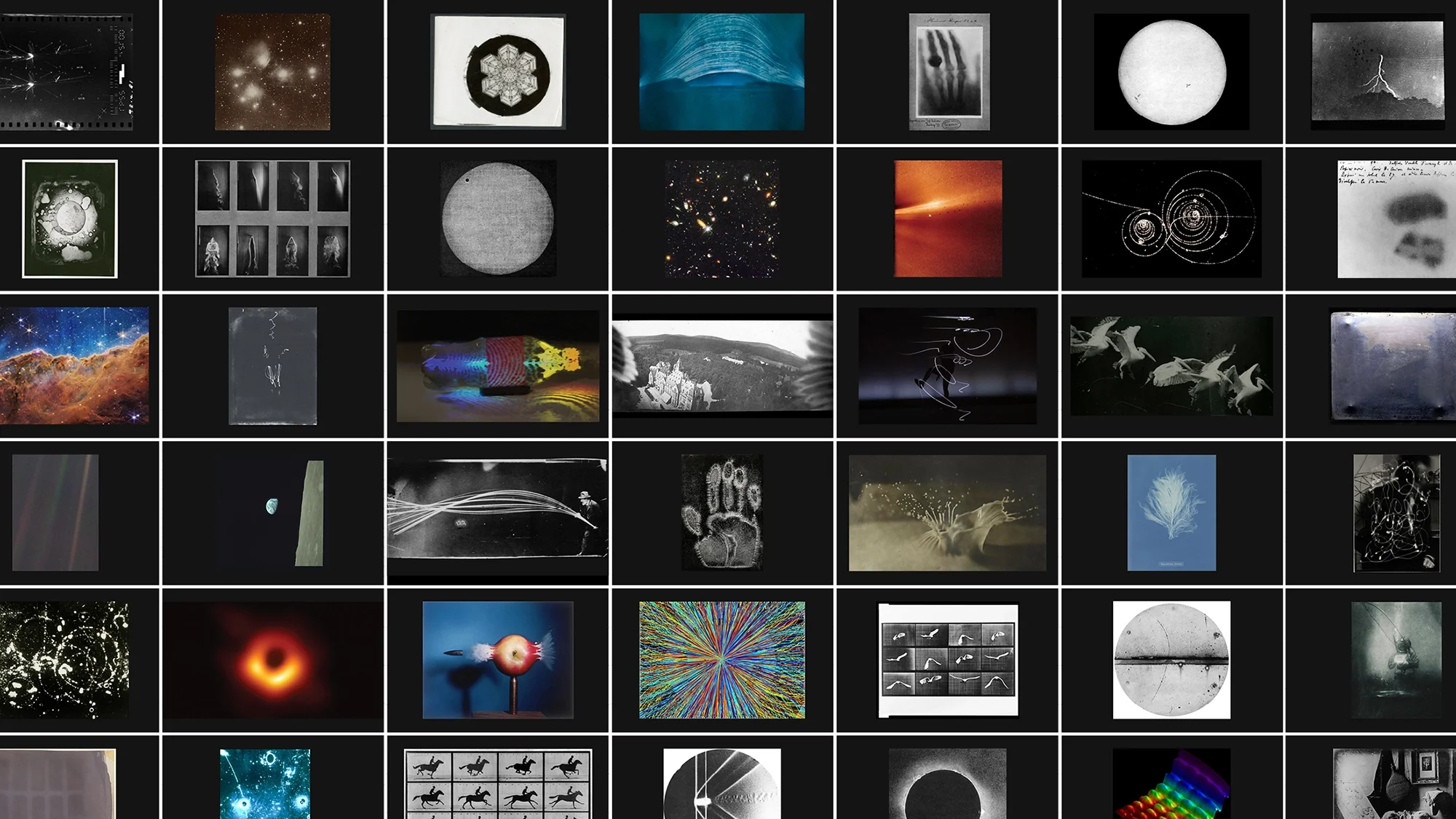
A curatorial lens on the origins of photography, tracing pivotal "firsts" that shaped the medium's evolution, from Niépce to NASA, from the first X-ray to the first image of a black hole.
Zero Baseline is the one and only source. All inquiry in Module 1 draws exclusively from its collection. These sessions provide historical grounding while inviting reflection on how photography began and why it still matters.
The module discusses all angles of these photographs: historical, technical, perceptual, philosophical. When deployed in a workshop setting, it uses collection entries as the basis for group discussion and guided observation.

MODULE 2 - Theory & Awareness
Four Theoretical Pillars
An invitation to slow down and see with intention. Participants explore four observational positions, Phenomenology, Time, Transparency, Transcendental, to deepen perceptual awareness and unlock new ways of engaging with images.
One Minute Exposure
Structured observation exercise: one minute with a single photograph, then record what you noticed. Central exercise within Module 2.
Discover the One Minute Exposure
Experience Enhancer
A physical instrument, fabric worn around the head, reducing ambient sound and light, enhancing focus and concentration.
Discover the Experience Enhancer
MODULE 3 - Materiality & Practice
Photography Workshops
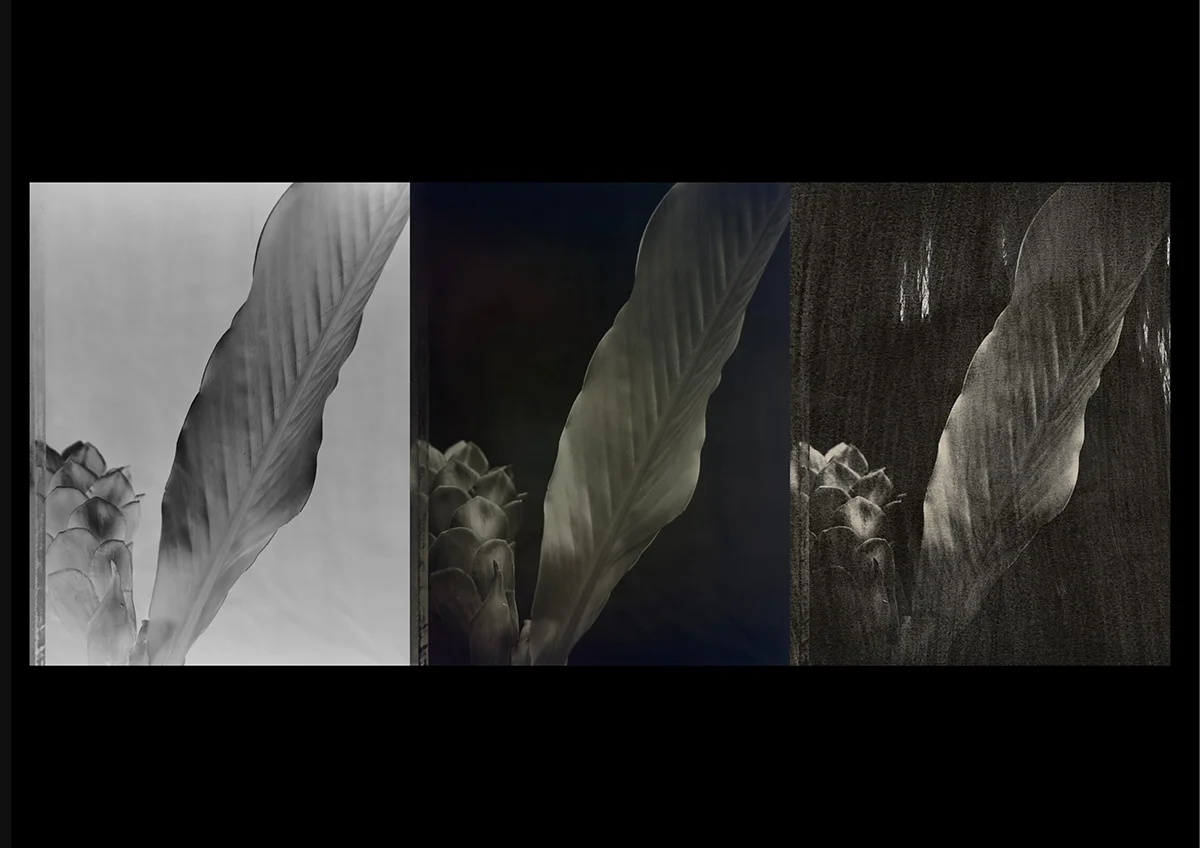
Experiential sessions where image-making meets reflection. Participants explore composition, camera technique, and storytelling, linking visual choices to the underlying logic of seeing and thinking.
Workshops include both analogue and digital approaches, encouraging experimentation across a range of cameras and formats, from large-format film to digital tools of all kinds. Photography as both a process and a perceptual inquiry.
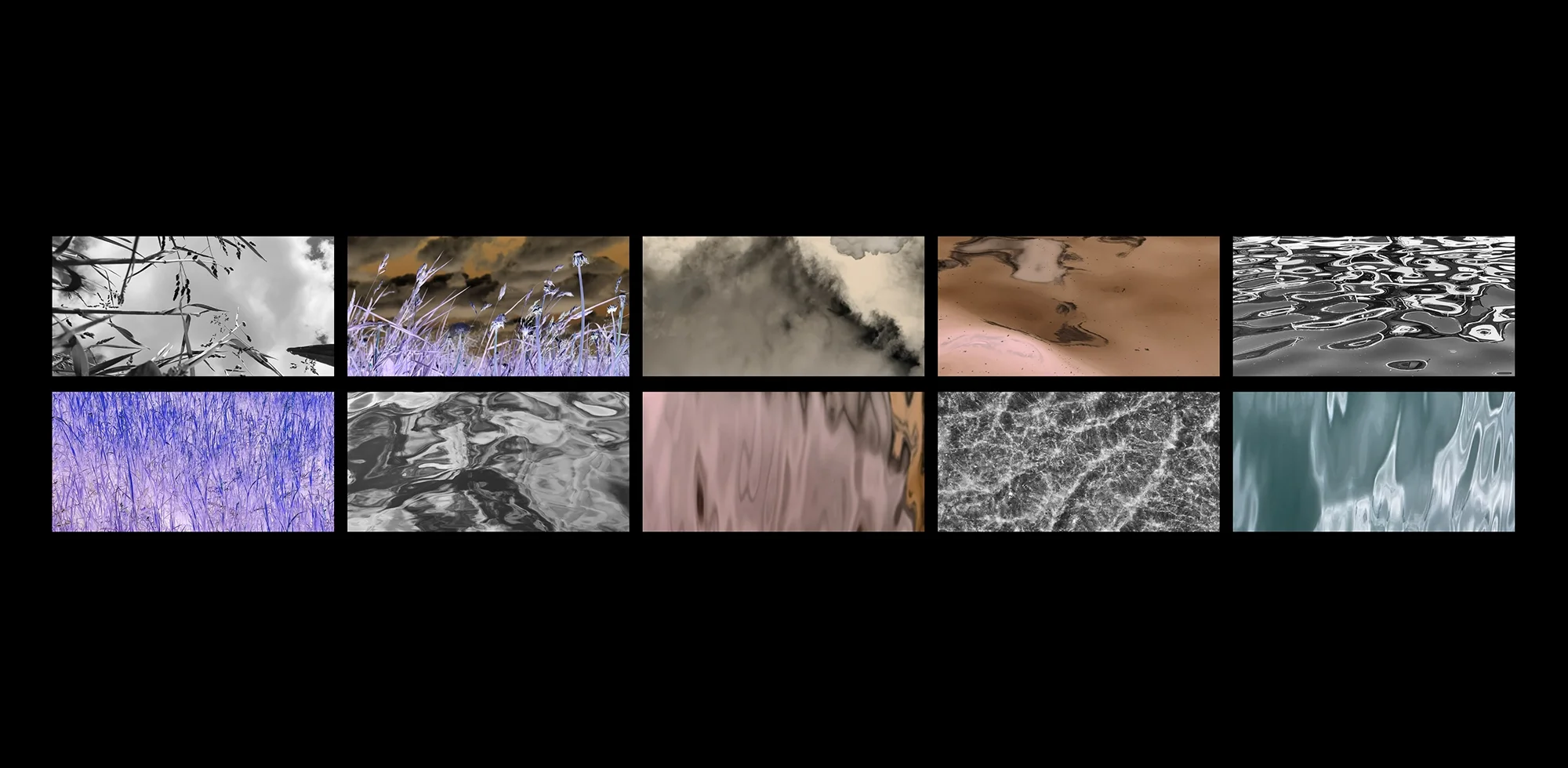
Infrared Photography · Photograms · Light Painting · Cameraless Image-Making · Camera Obscura · Medium & Large-Format Film · Analog vs. Digital

MODULE 4 - Materiality & Practice
Sustainable Photography
The Sustainable Practices explore the tactile and ecological dimensions of photography. Plant-based developers reconnect the photographic process with the rhythms of nature.
Beyond technical skill, the workshops cultivate awareness of photography's material and ethical footprint. How we make an image is part of what the image means. Through hands-on experimentation and reflection, participants learn to balance artistic vision with sustainable practice.
Historical thread: connects to the Zero Baseline's earliest verified entries. Fox Talbot's salted paper prints, Anna Atkins' cyanotypes. The roots of sustainable practice are as old as photography itself.
MODULE 5 - Materiality & Practice
Archiving & Cataloguing
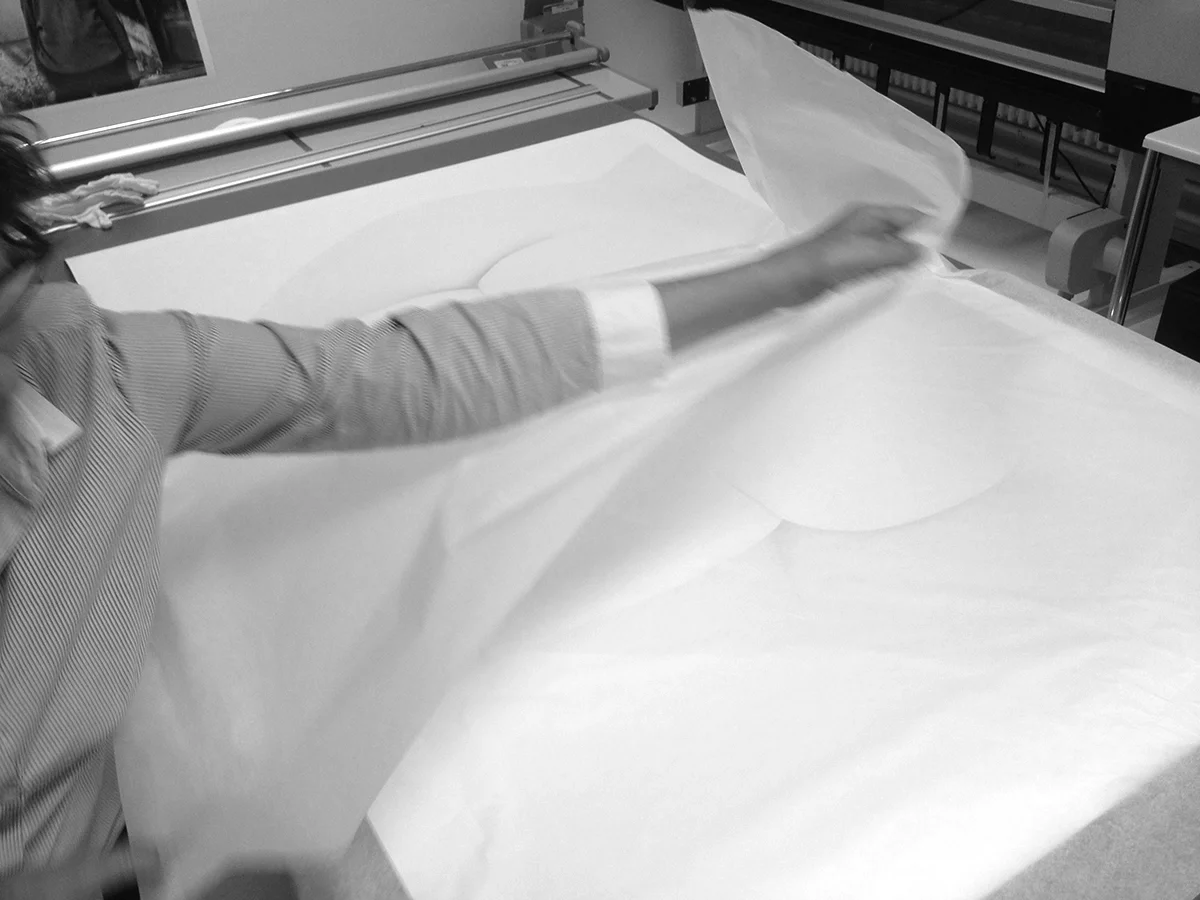
A focused introduction to the care and structuring of visual materials. Participants learn how to document, organise, preserve, and future-proof analogue and digital works.
Archiving is not only about storage. It is about access, and maintaining that accessibility over time. Proper handling prevents damage from environmental factors. Consistent labelling and cataloguing make work findable. Structured access ensures that what you create today remains available tomorrow.
The evolution of technology has expanded what an archive can be, bringing new challenges and opportunities. Whether working with physical prints, digital files, or mixed-media projects across multiple formats, the principles remain the same: attune your practice with an awareness for archiving.
The Educational Cycle
Module 1 - The Genetic Code of Photography
Module 2 - Contextual places on which to stand and observe the photograph from
Module 3 - Where image-making meets reflection
Module 4 - Plant-based Darkroom Practices
Module 5 - Connecting craft with cultural memory
BEYOND THE MODULES
SEETHINK® Studio
Intensive working session, longer-form, focused practice. Distinct from the workshop format in duration and depth. Not a module, a separate delivery format. Studio sessions provide extended time for deeper engagement with the materials, methods, and ideas introduced in the modules. Typically structured as a multi-day residency, the Studio format is suited to participants who have completed at least one module and want to develop a personal body of work within the SEETHINK® framework.
CASE STUDY
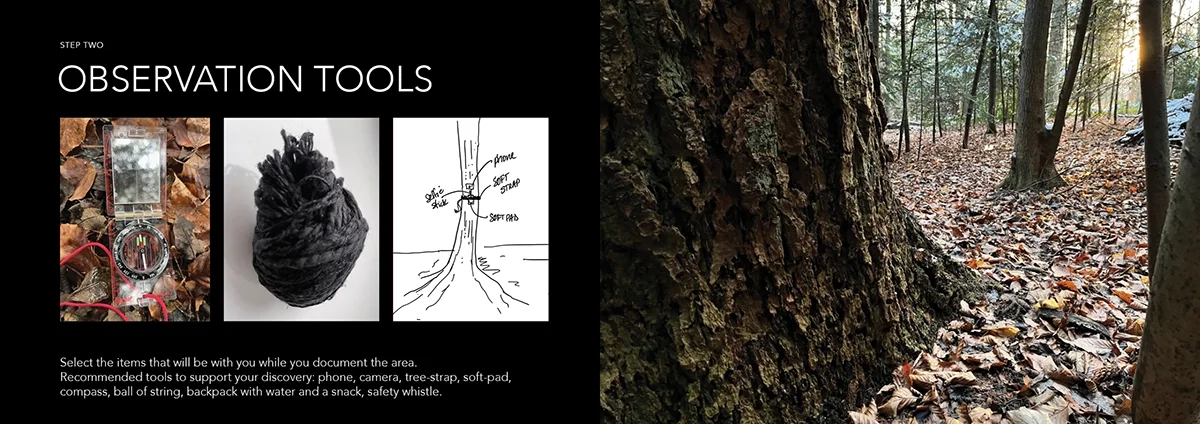
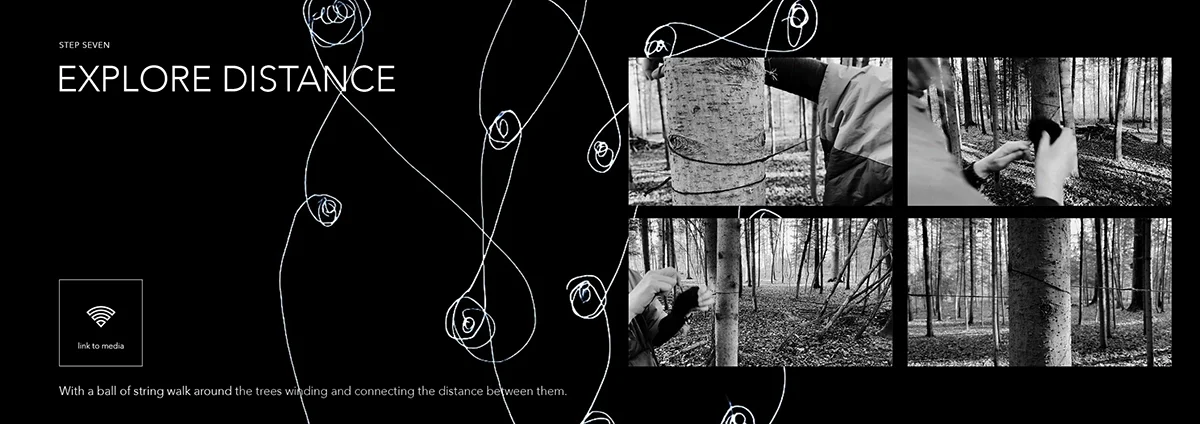
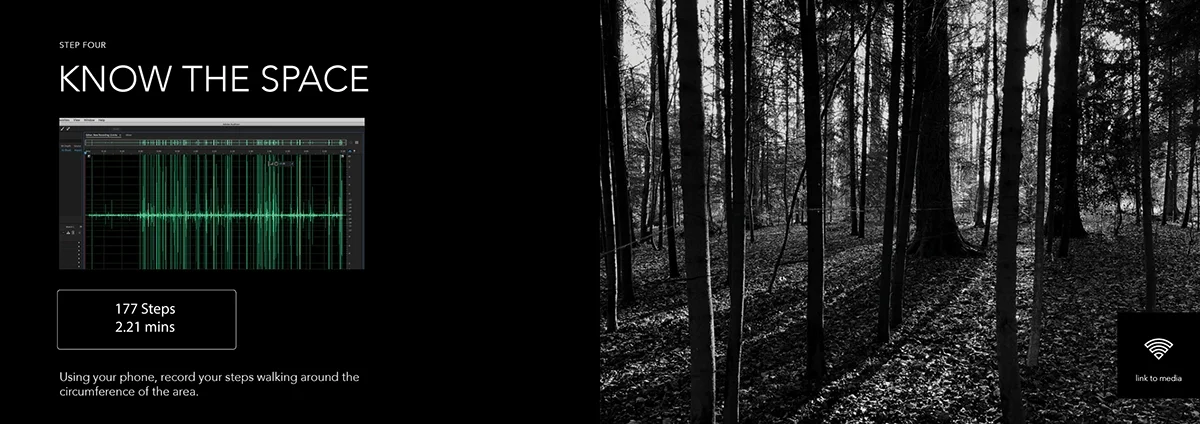
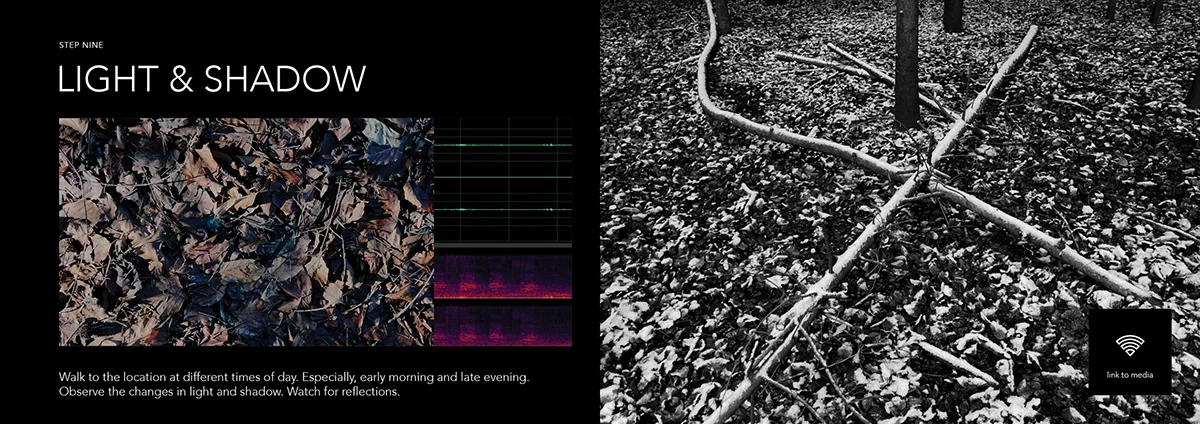
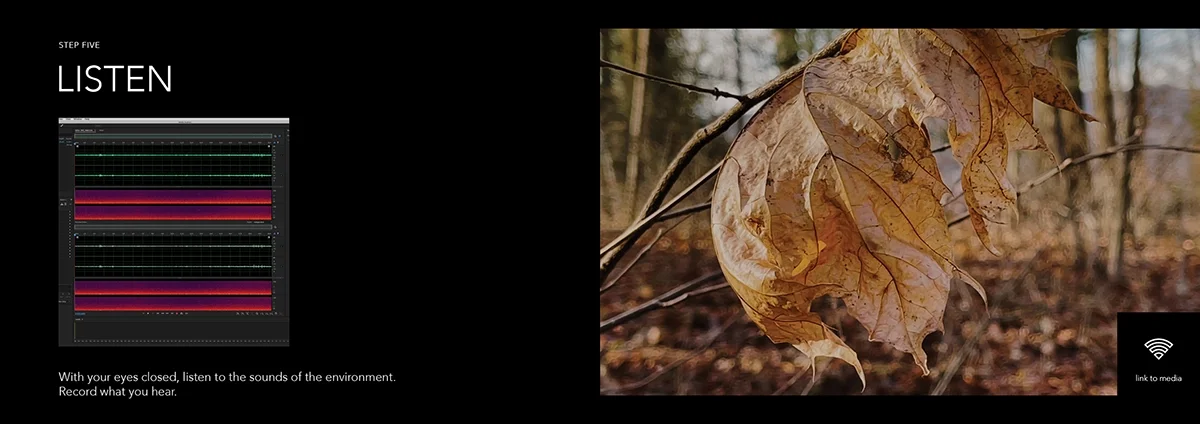
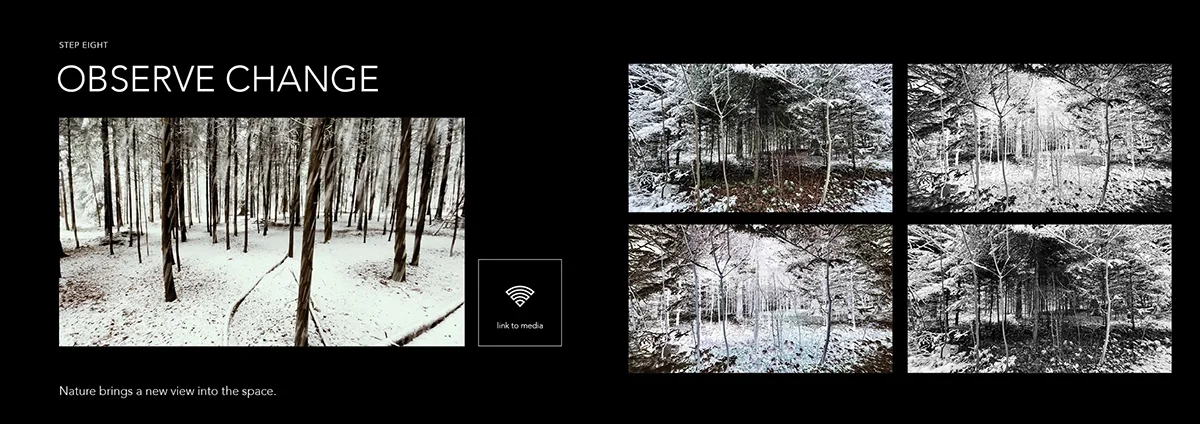
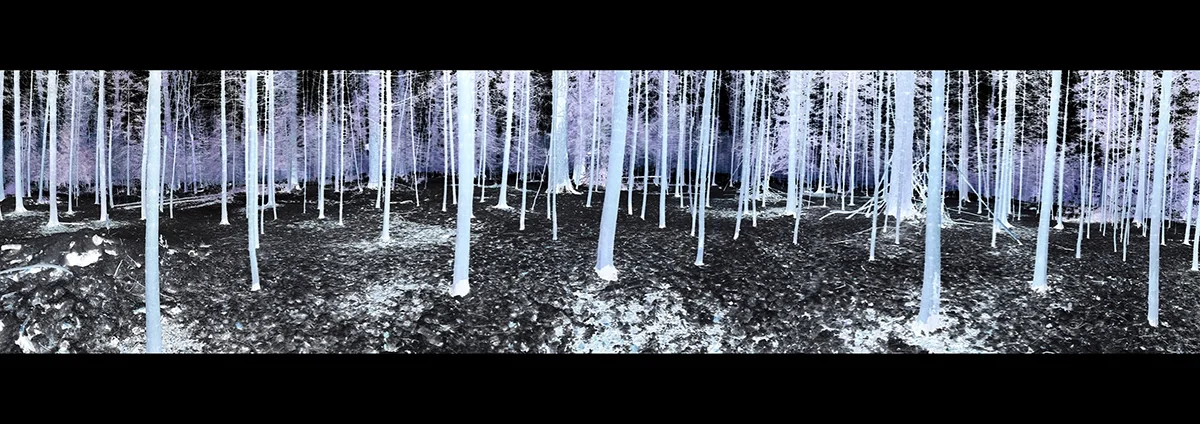
Circle of Trees - A Field Guide for Discovery
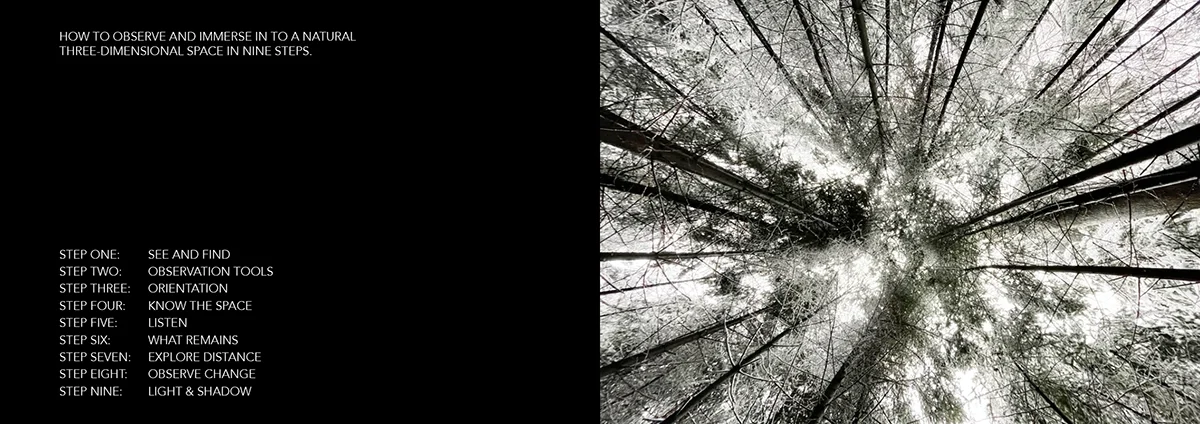
Designed to immerse into a natural three-dimensional space, in nine steps of observation.
A Studio-format masterclass developed for deeper observation, spatial awareness, and sustained engagement with the natural environment. Through a guided nine-step process, participants move between photography, sound, mapping, and reflection to build a personal field guide shaped by direct experience. The Studio format allows extended time for immersion, experimentation, and the development of a cohesive body of work within the SEETHINK® framework. Rooted in seeing, orientation, and slow observation, the project transforms landscape into a space for discovery, attention, and interpretation.
These workshops are designed for curious minds. Artists, students, researchers, educators, cultural workers, and anyone interested in how images shape thought, memory, and material practice.
No previous experience required. Formats can be adapted across knowledge levels and age groups.
HOW IT WORKS
Any configuration serves a context.
The five modules are a toolkit. They interlock and adapt to the setting.
One-Day Workshop
EXAMPLE:
Morning: the four theoretical pillars as structured observation exercises. Afternoon: sustainable darkroom, hands-on with natural materials. Participants move from how we see to how we make, guided by the same observational vocabulary.
Tangible connection between perception and material practice.
Three-Day Workshop
EXAMPLE:
Day one: the Zero Baseline collection as foundation, guided observation through all four pillars. Day two: photography workshops, moving between analogue and digital formats. Day three: sustainable darkroom, developing with plant-based materials.
Theory, creation, and material practice across one arc.
One-Week Intensive
EXAMPLE:
Five days of photography workshops, infrared, photograms, large-format film. Guided observation sessions woven in between, applying phenomenological and temporal perspectives to the work produced. Each day builds on the last.
Image-making and perceptual inquiry running in parallel.
Full Semester Immersion
EXAMPLE:
All five modules across fifteen weeks. The four pillars return as a recurring thread, each session deepens the observational vocabulary. By the end, participants have built a personal archive: documented, catalogued, and preserved.
Full immersion: theory, practice, and research converge.
TRY IT YOURSELF
Five Ways to See Differently
Five short exercises drawn from four years of research into how people look at photographs. Each one takes less than ten minutes. None of them require anything you do not already have.
Slow down. Limit your frames. See before you know. Speak, then see. Remember. Try one today.
BOOK / ENQUIRE
Bring SEETHINK Lab to Your Institution
Whether you are looking for a single workshop, a multi-module programme, a semester format, or support integrating the methodology into your own curriculum, the conversation starts here.
Schools, universities, galleries, museums, and cultural institutions. All formats can be adapted to your context and audience.