SEETHINK® GUIDE
Five Ways to See Differently.
SEETHINK Lab spent four years studying how people look at photographs. What we found surprised us. These five exercises are the simplest, most effective things we discovered. Each one takes less than ten minutes. None of them require anything you do not already have.
Try one today.
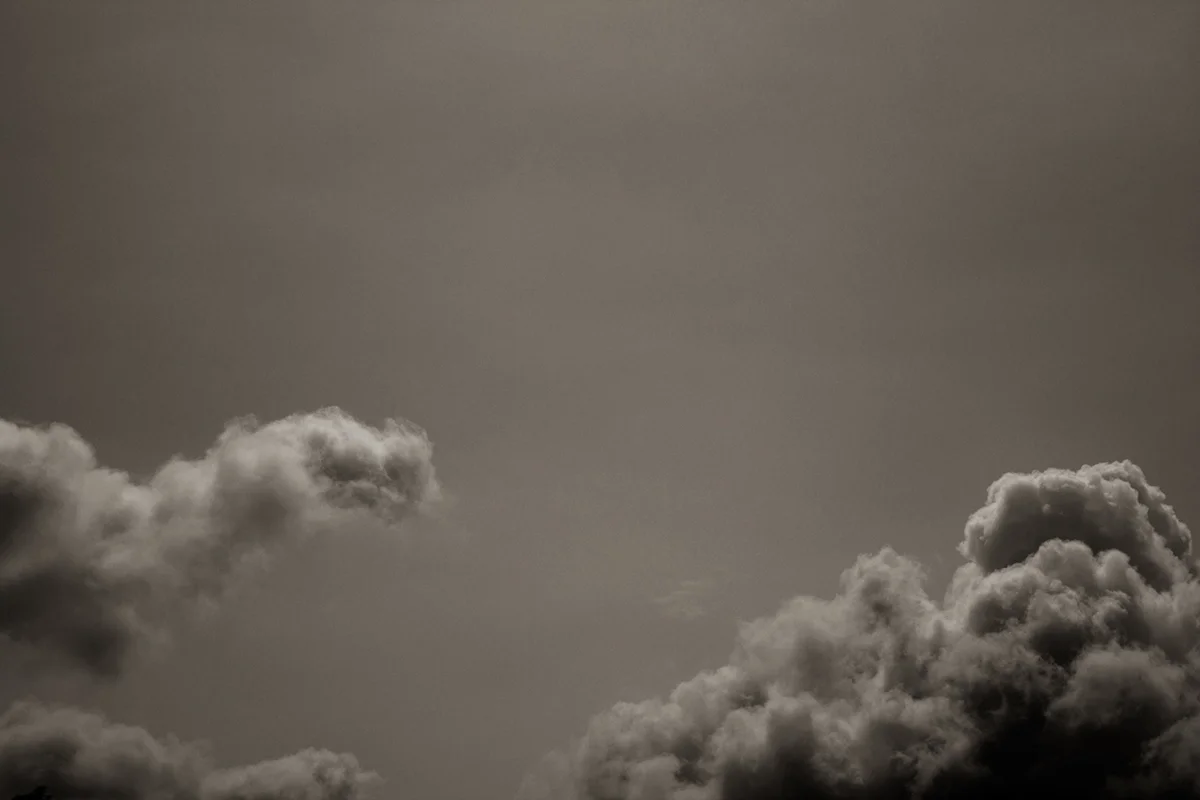
01 / Slow Down
Choose one photograph. Any photograph. Set a timer for one minute. Look at nothing else.
For the first twenty seconds it will feel long. Then something shifts. You stop scanning and start seeing. Details appear that were invisible at a glance. Colours deepen. The image opens up.
Extended observation deepens nuance. Between thirty and sixty seconds, participants begin to notice relationships, textures, and spatial qualities they did not initially register.
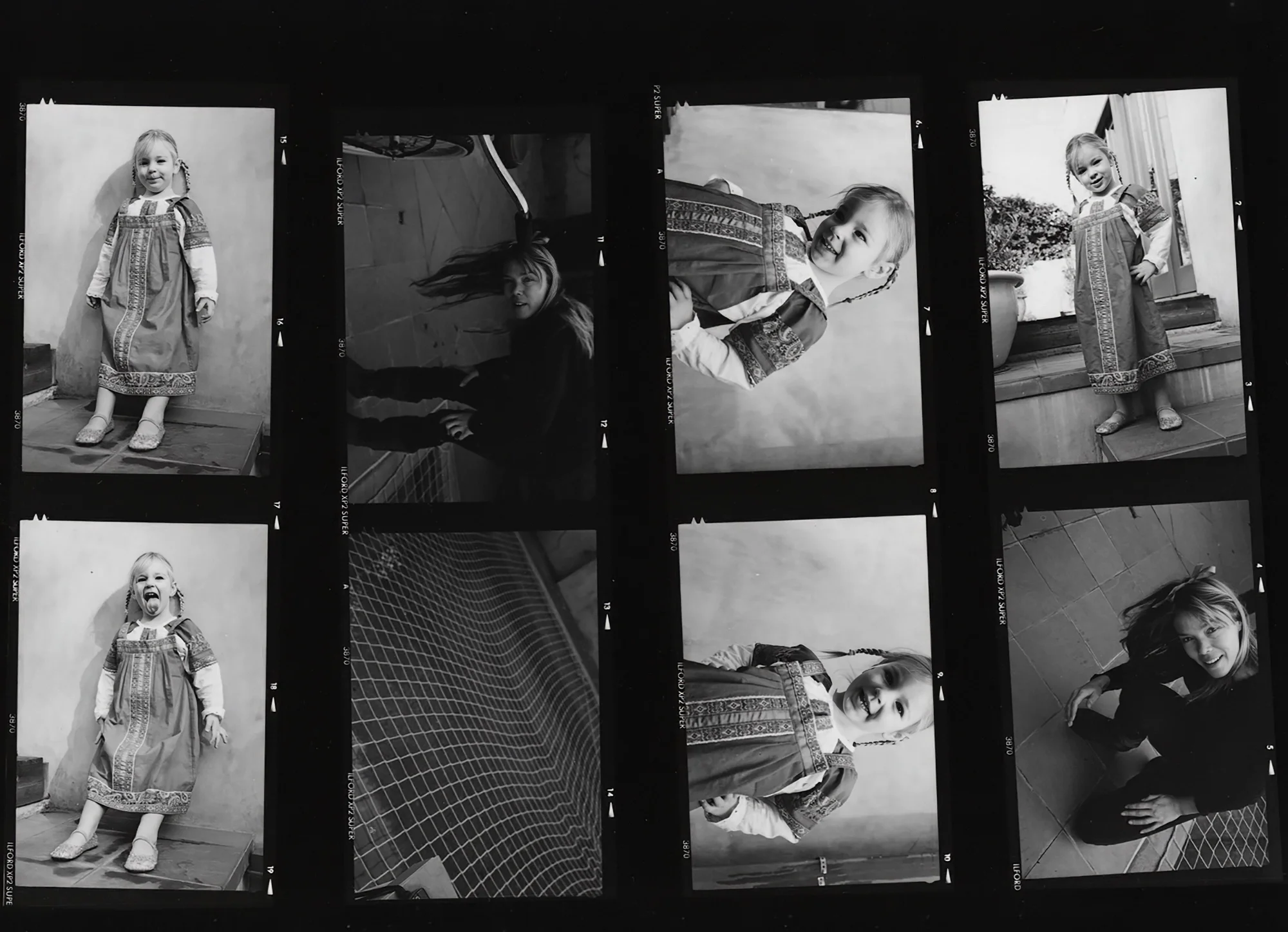
02 / Limit Your Frames
Pick a number. Twelve is good. Now photograph your day with only that many shots. No deleting, no reviewing, no second chances.
When every frame costs something, you start to choose differently. You wait longer. You notice more before you press the shutter. Constraint creates attention.
Students who tried this said twelve frames taught them more about seeing than one hundred on their phones.
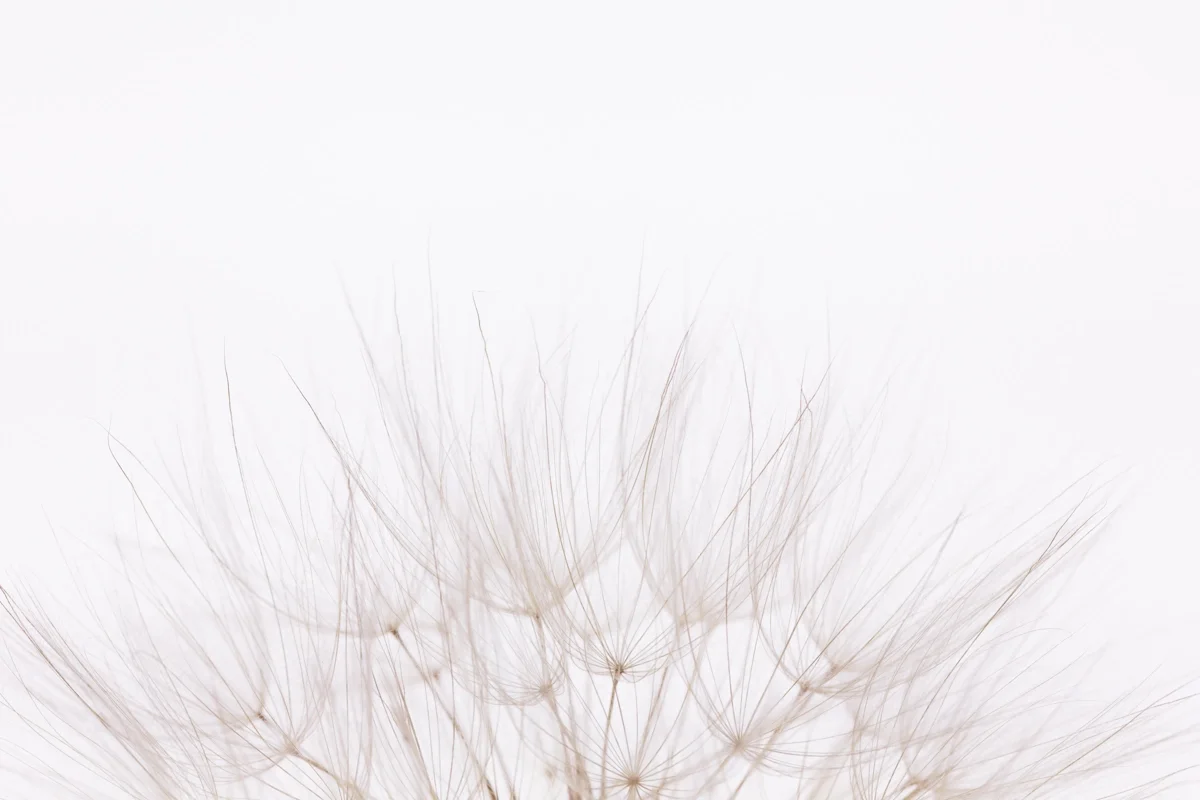
03 / See Before You Know
Ask a friend to choose a photograph and cover most of it. Then reveal it slowly yourself, piece by piece. Pay attention to what you notice before you recognise what the image is.
There is a threshold. A moment where shapes become a subject and your brain locks in. That moment is the exercise. The goal is to stay in the space before it happens for as long as you can.
Our research found that recognition is irreversible. The instant a pattern becomes a picture, there is no way back. This exercise lets you feel that threshold.
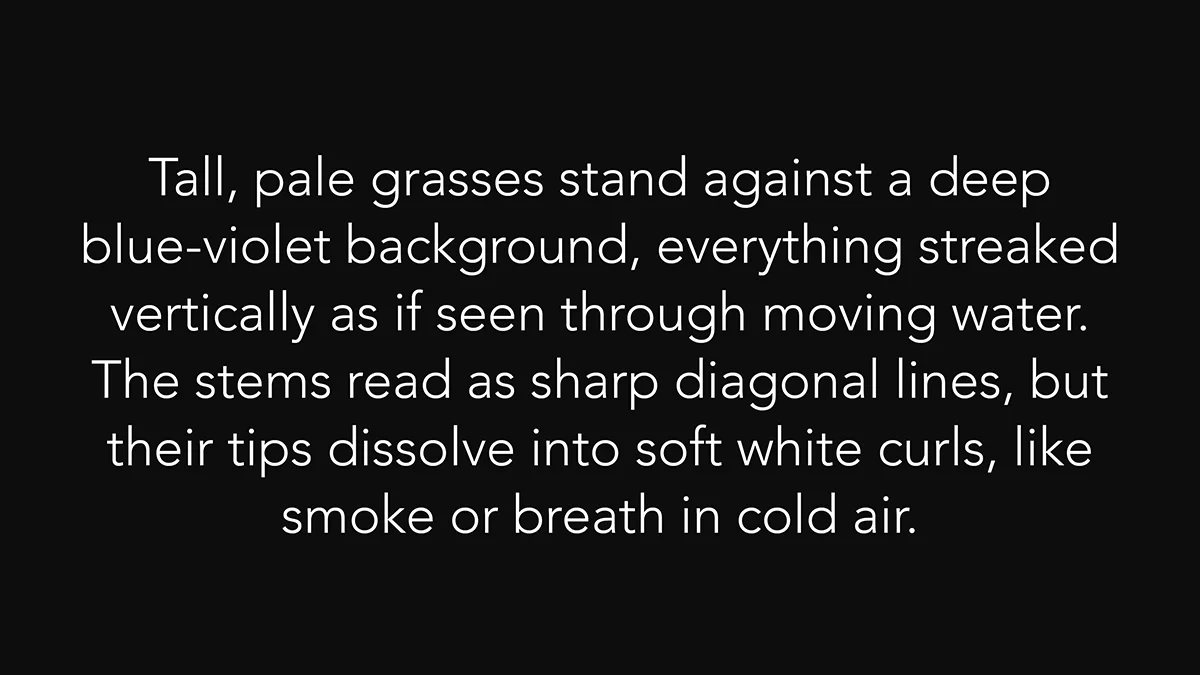
04 / Speak, Then See
Describe a photograph to someone in words. Do not show it to them. Ask them to describe what they see in their mind. Then show them the photograph.
The gap between what you described, what they imagined, and what the photograph actually shows is where seeing begins. Three versions of the same image, none of them the same.
In our research, people built remarkably precise mental images from text alone. These imagined photographs proved stubbornly persistent. Often more vivid than the originals.
05 / Remember
Think of a photograph you saw recently. A day ago, a week ago, it does not matter. Without looking at it again, write down what you remember. Describe the format, the subject, the colours, and any details that stand out.
Compare your description with the actual image. Notice where your mental image and the physical one differ.
Memory reshapes images. In our research, the photographs people recalled were rarely the ones that existed.