Research
Tested methodology. Documented findings. An open invitation to participate.
SEETHINK® RESEARCH
The evidence behind the methodology.
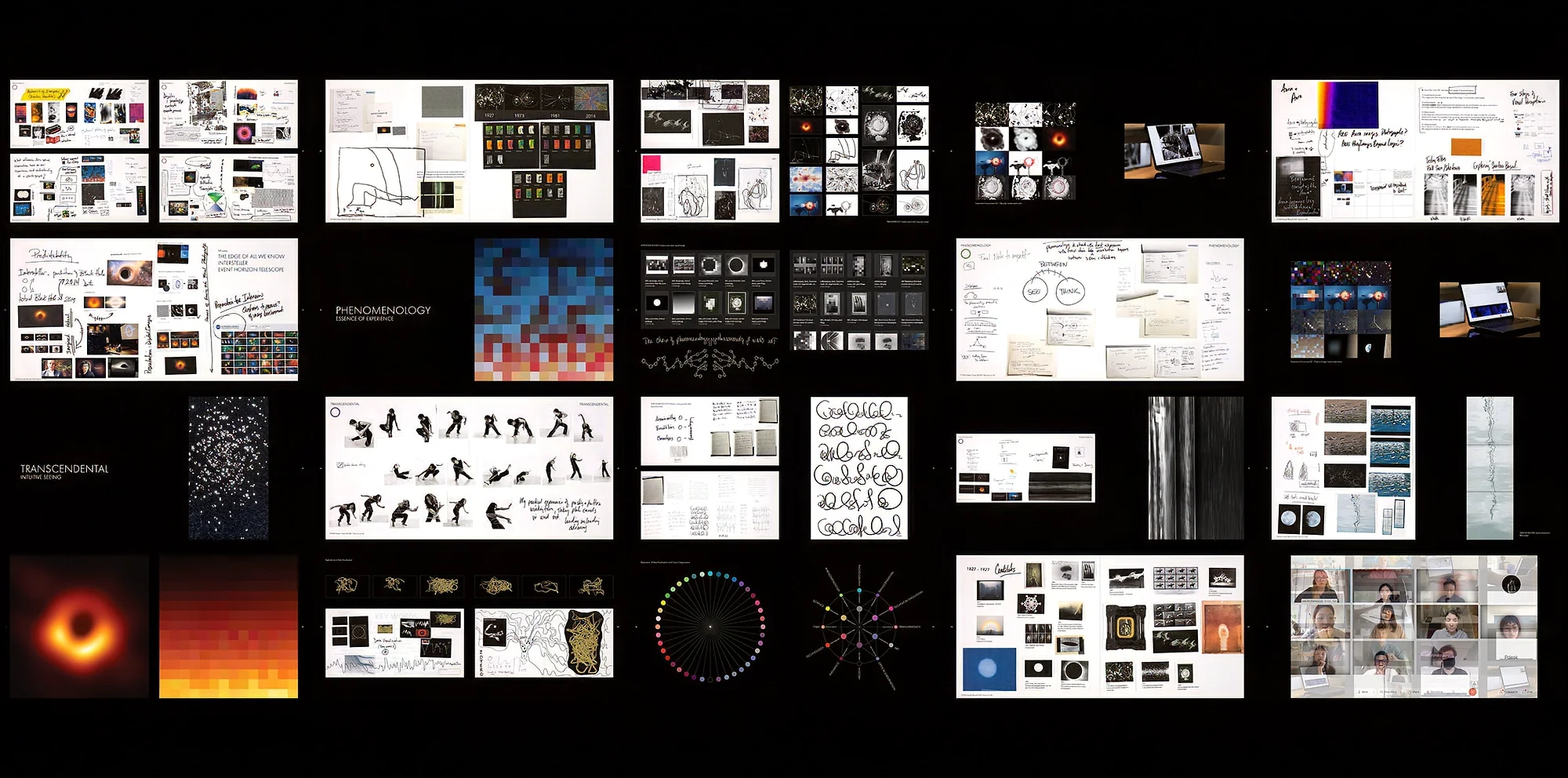
Since 2020, SEETHINK Lab has conducted structured observation exercises using the collection of first photographs. Six exercises, each targeting a different dimension of visual perception. Documented findings from real participants. And an open invitation to join the research.
MA students, experts, online participants, and secondary school students. The research is qualitative and phenomenological. What follows are the findings, the instruments, and the invitation to participate.
FINDINGS
What the Research Shows
Seven themes emerged consistently across all participant groups and research phases. These are not isolated observations but interconnected patterns that together describe how people experience photographs when given structured opportunities and the time to see and think.
The Primacy of the First Encounter
Across every cohort, the Pixel to Image exercise was consistently the most recalled and emotionally impactful. Photographs are shown at three levels of abstraction: colour palette, blur, full image. The tension between abstraction and recognition, the moment scattered colour becomes a meaningful image, leaves a stronger memory trace than any subsequent exercise.
Irreversible Recognition
Once a pattern is recognised, it cannot be unseen. Participants who had completed the Pixel to Image exercise immediately recognised images from verbal descriptions alone, bypassing the imagination process the Word to Image exercise was designed to probe. In the SEETHINK Grid, where images are progressively disclosed through controlled opacity.
Embodied Seeing
Where the other exercises are screen-based and self-paced, the One Minute Exposure introduces a physical, time-controlled, bodily experience. Extended observation deepens nuance. Between thirty and sixty seconds, participants begin to notice relationships, textures, and spatial qualities they did not initially register. The Experience Enhancer, a simple fabric draped around the head to reduce ambient light and sound, enhances this experience. Reports of sensory immersion, fine visual detail, and deepened concentration across all age groups.
Expertise as Filter
Domain expertise brings rich interpretive frameworks but simultaneously blocks the naive perception the exercises aim to probe. Expert interviewees recognised most images immediately, shifting their experience from discovery to comparison. Secondary school students aged 15 to 17 produced responses that were more direct, less theoretically mediated, and often more emotionally honest.
The Persistence of Fascination
When comparing the same subject captured more than a century apart, participants consistently described older images as more interesting, despite acknowledging that modern images were sharper and more detailed. The first image of a phenomenon carries a weight that higher-resolution successors cannot replicate. The fascination with making invisible phenomena visible is not diminished by technological progress.
Attention Deficit in the Age of Abundance
A theme that surfaced across all participant groups: the tension between image abundance and attentive viewing. Secondary school students realised they take vast numbers of photographs without thinking about what they are photographing. One student recalled using a disposable camera on holiday, where the 12-shot limit forced more intentional image-making. The SEETHINK exercises function as interventions against this inattention. By structuring the viewing experience, they create conditions where seeing becomes deliberate.
Art, Science, and the Photograph
The relationship between artistic and scientific photography is the philosophical spine of the entire project. Expert interviewees produced the most nuanced engagement with this question. One observed that scientific images are beautiful precisely because they are not intended to be beautiful. Their aesthetic power comes from their purposelessness as art. This positions the Zero Baseline collection at a productive boundary: these images were made to document phenomena, not to create art, yet they produce aesthetic experiences that rival deliberately artistic photography.
INSIGHTS
“I never realised how little time I spend actually looking at a photograph. Twelve shots on a disposable camera taught me more about seeing than a thousand on my phone.”
“The problem is not that people cannot see. The problem is that they see too quickly. They recognise before they perceive.”
“Once you see it, you cannot unsee it. That is not a metaphor. We watched it happen in real time, the moment recognition locks in, there is no way back.”
“People always chose the older image as more interesting. Not more beautiful, more interesting. There is something about a photograph that carries its own age.”
Explore Zero Baseline of Photography
Zero Baseline is the primary research subject of SEETHINK Lab. The Lab is the observer. The collection is the observed. Every study, every workshop, every observation exercise draws from this verified record.
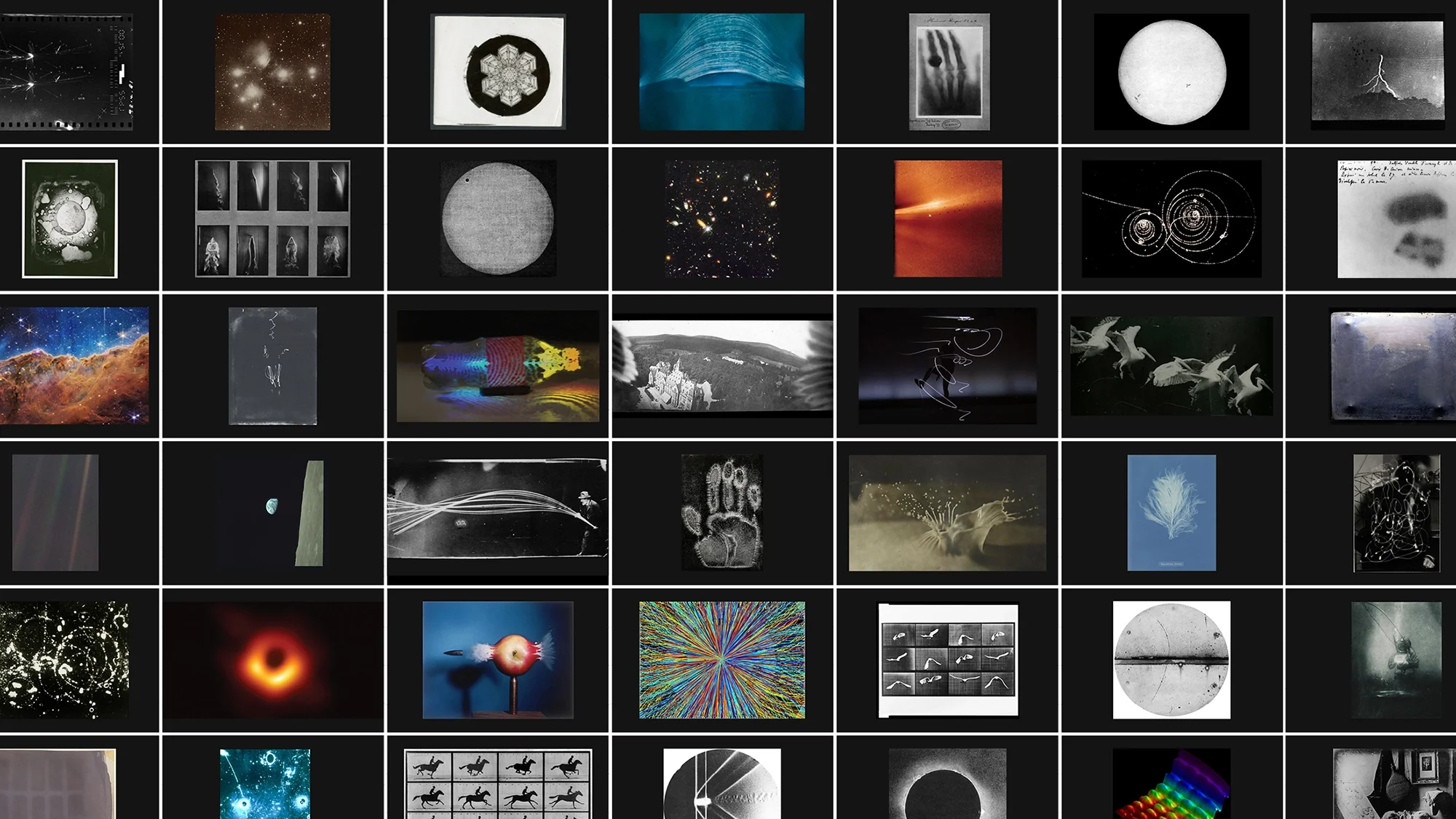
Navigate through 200 years of photographic firsts, from Niépce's 1827 first permanent photograph to today. Experience the evolution of the medium across time.
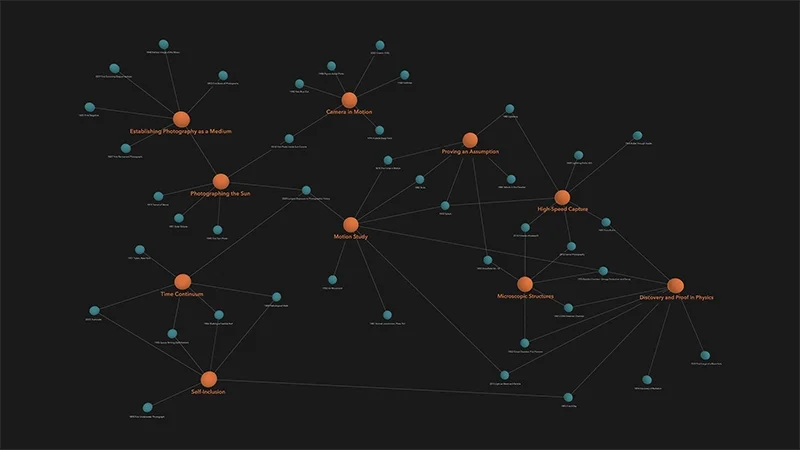
Discover connections across photography's history through curated influence themes. See how ideas, techniques, and innovations ripple through time.
PARTICIPATE
Try the Instruments. Share What You Noticed.
The "Taking Time to See and Think" research is ongoing. The instruments are available. If you have tried the One Minute Exposure or used the Experience Enhancer, we would like to hear what you noticed.
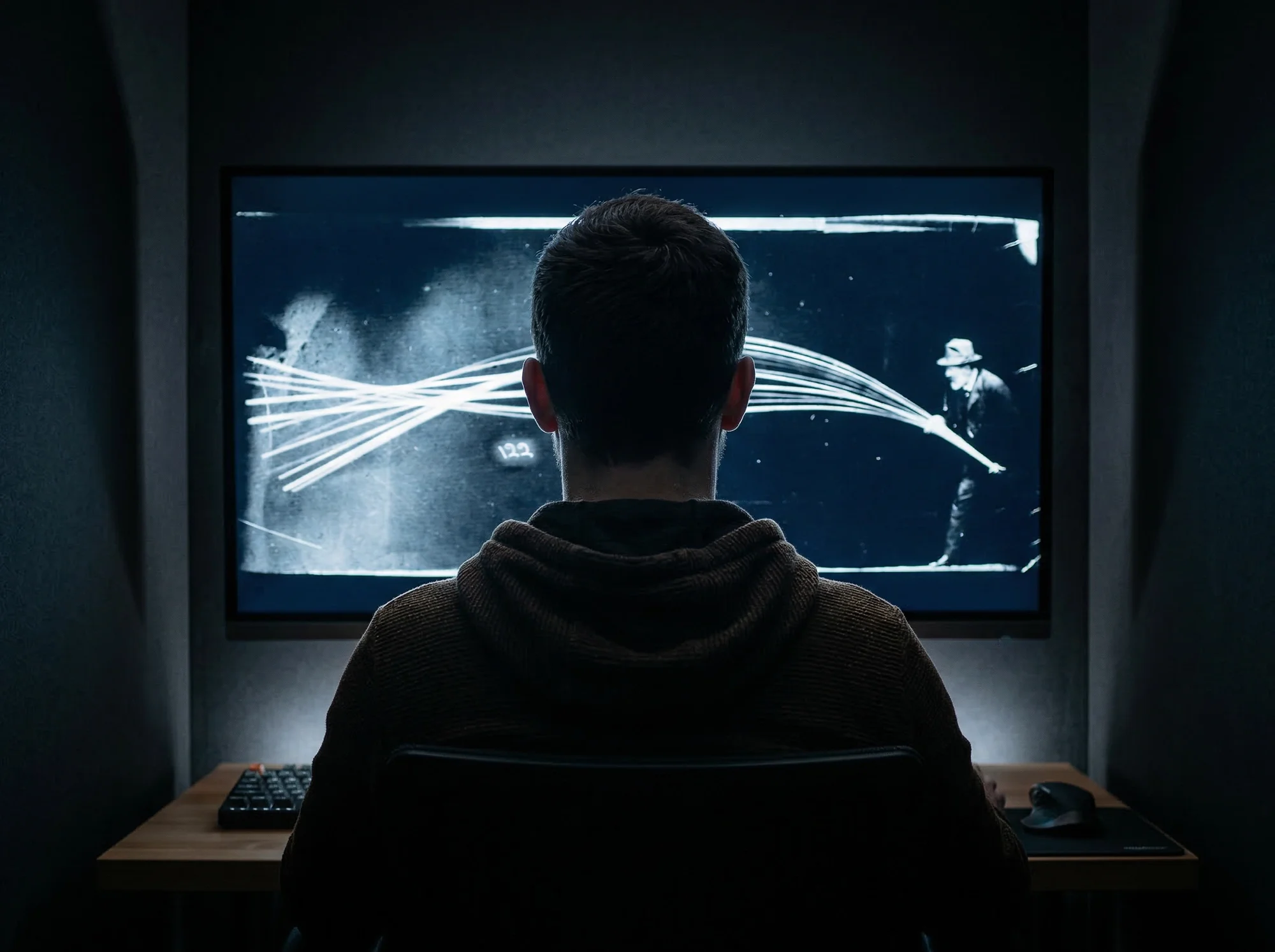
SEETHINK One Minute Exposure
One minute with a single photograph. No guidance, no labels, just sustained attention.
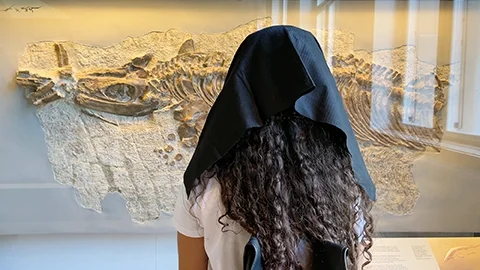
SEETHINK Experience Enhancer
A physical instrument: fabric worn around the head, reducing ambient sound and light, enhancing focus and concentration.
Tested in Practice
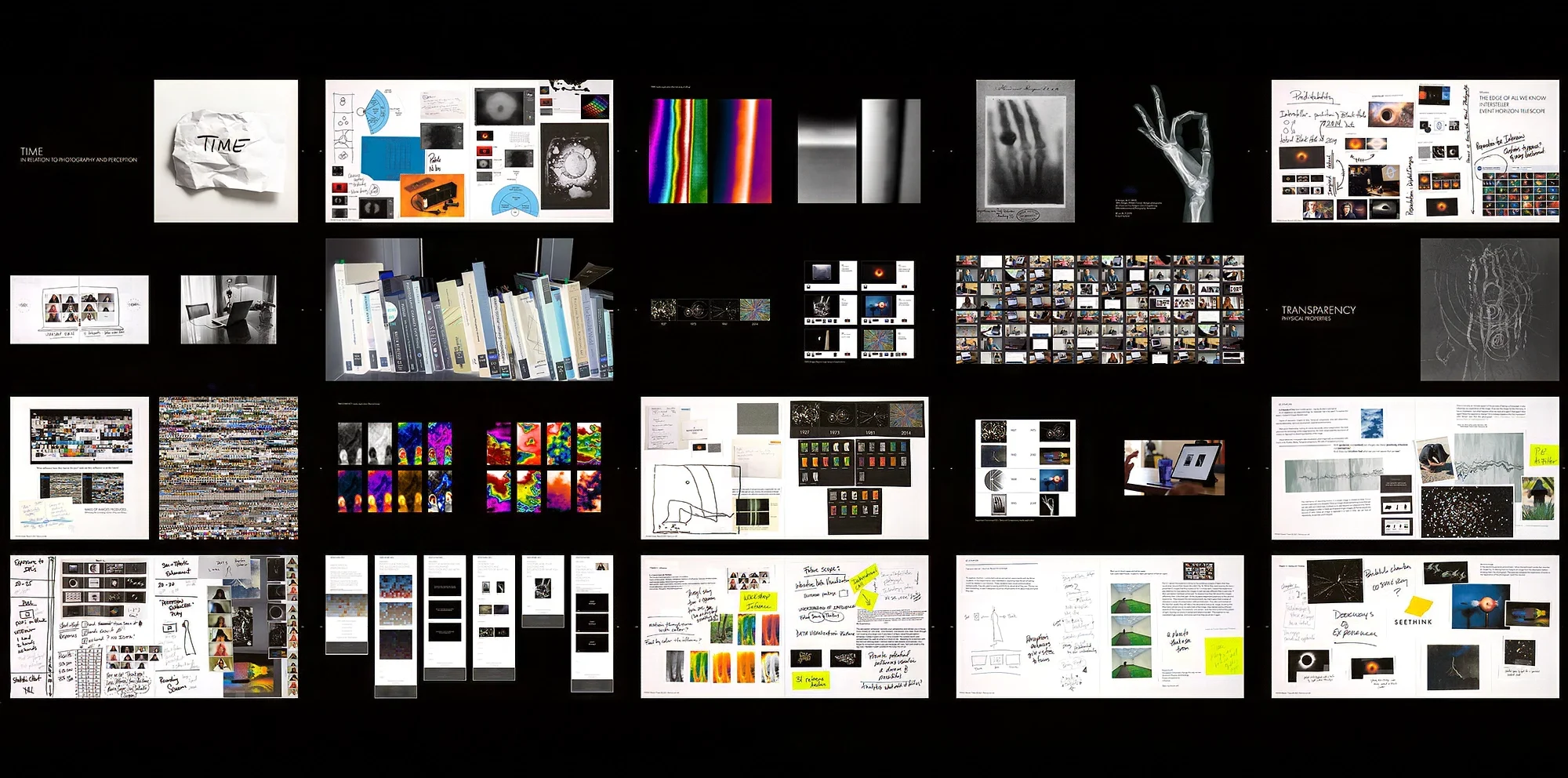
Deployments spanning 2023 until today. From university master-level seminars to primary school workshops.
GET INVOLVED
Research Collaboration
For institutional collaboration, research partnerships, and speaking invitations. The research is live. The instruments are tested. The invitation is open.
Every workshop that runs is an opportunity to expand the research base.